
Wonder Walk Protocol (15 minutes)
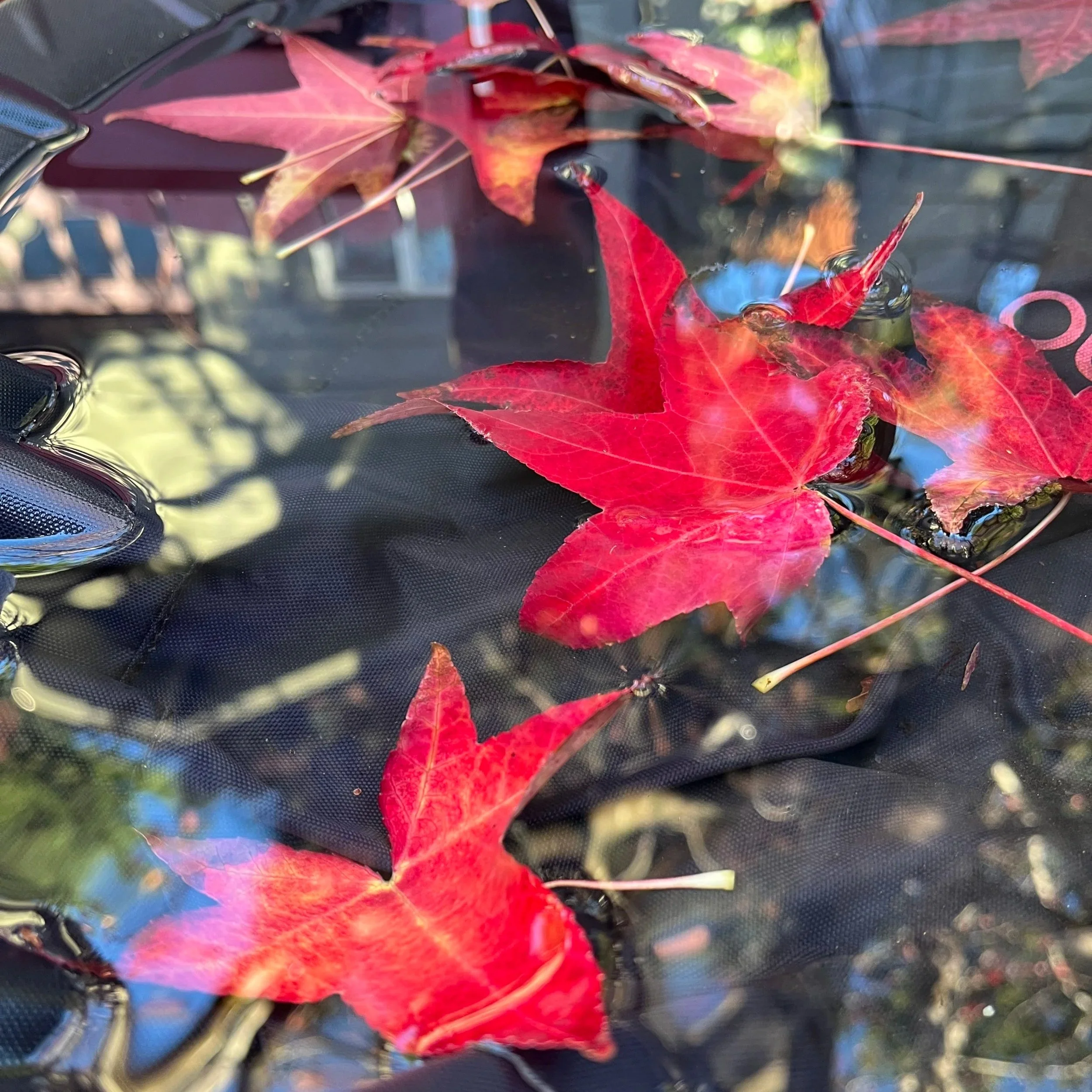
🍁 or 🐦🔥?
If the year already feels too busy, I’m sharing something that worked for me this morning. Try this during your next cup of tea or coffee?
So this first Tuesday of the new year, I’m already feeling some productivity panic, and I wandered out in my backyard with my cup of morning tea. I found myself gravitating towards a "wonder walk". Which, if you are not familiar - is a mindful, slow-paced walk to reflect on small things, engage your senses, let questions bubble up from observations about the world around - only open curiosity on where the answers lead you. No goals.
Therefore, rather than a yard full of leaves that needed to be dealt with I started to see flocks of fiery birds (what is a flock of phoenixes called??). My heart rate went down and my breathing relaxed. I began to actively look forward to something I had been procrastinating. And then I laughed out loud because sometimes this woo-woo stuff can really work! 😀
Now, this only took me about 5 minutes. But the wonder walk is one of my favorite facilitation techniques for synthesis and settling after an intense burst of group work - maybe why it came to me quickly this morning. This reflection technique is sometimes called an "awe walk" and was popularized by The Greater Good Science Center several years ago - but anyone who has been to a meditation retreat and done a walking meditation will find it familiar.
There are lots of resources out there online, but I thought I’d package it up here for you to try out - whether for yourself or in the next group facilitation you are planning. Whether you have 5 minutes or 15 minutes - whatever helps you calm your own (or the group’s) productivity panic and synthesize new information. So that you (or they) can approach their work with joy and new insight.
15-Minute Wonder Walk Protocol
Facilitation tips
You are setting the container, not direction - it is important that people are able to take this where they will
If you want to give people access to cameras - let’s be real, these are typically phones, so ask them to put their phone on airplane mode during the activity
Encourage slow and organic discovery and wandering - this is not for exercise of the body but the ease for the mind
PWBAT Goals
Engage with the found environment via their senses and surface curiosity questions
Connect with their physical space in the world - and make connections to the broader context of their work
(optional) Record the observations that foster wonder, presence, and learning
Before the Walk (3 min)
Put away any materials you had been working with in the session before
Suggest a focus (e.g., colors, textures, sounds, relationships between objects) or let it be open
(Optional) provide paper, pencils, magnifying glasses, or cameras
Remind participants that the goal is to find wonder, not exercise, and encourage curiosity
Encourage participants to notice sights, sounds, smells, and feelings, even small details like a leaf or crack in the pavement
(if you think the group needs additional clarity) Provide questions like: "Consider what is above/below you", "Consider what feels surprising", "Notice how things are things related"
During the Walk (8 min)
Start the group with a few deep, mindful breaths together to center and transition into the present moment
Walk slowly, encourage exploration off the main path, getting lower to see tiny worlds or higher to gain a new perspective
Jot down or sketch interesting observations and questions
After the Walk (4 min)
Group debrief to share key observations, feelings, and how and where the experience shifted perspectives
Connect learnings and take-aways to broader concepts from the day’s work
Reflect on how you might bring this sense of wonder into the work of the group